多媒體


Greater Bay Area Homeland Youth Community Foundation and Chinese Culinary Institute host the 3rd ‘Chinese Culinary Culture Training Programme’ 30 Hong Kong Students and Teachers Explore Sichuan Cuisine in Depth
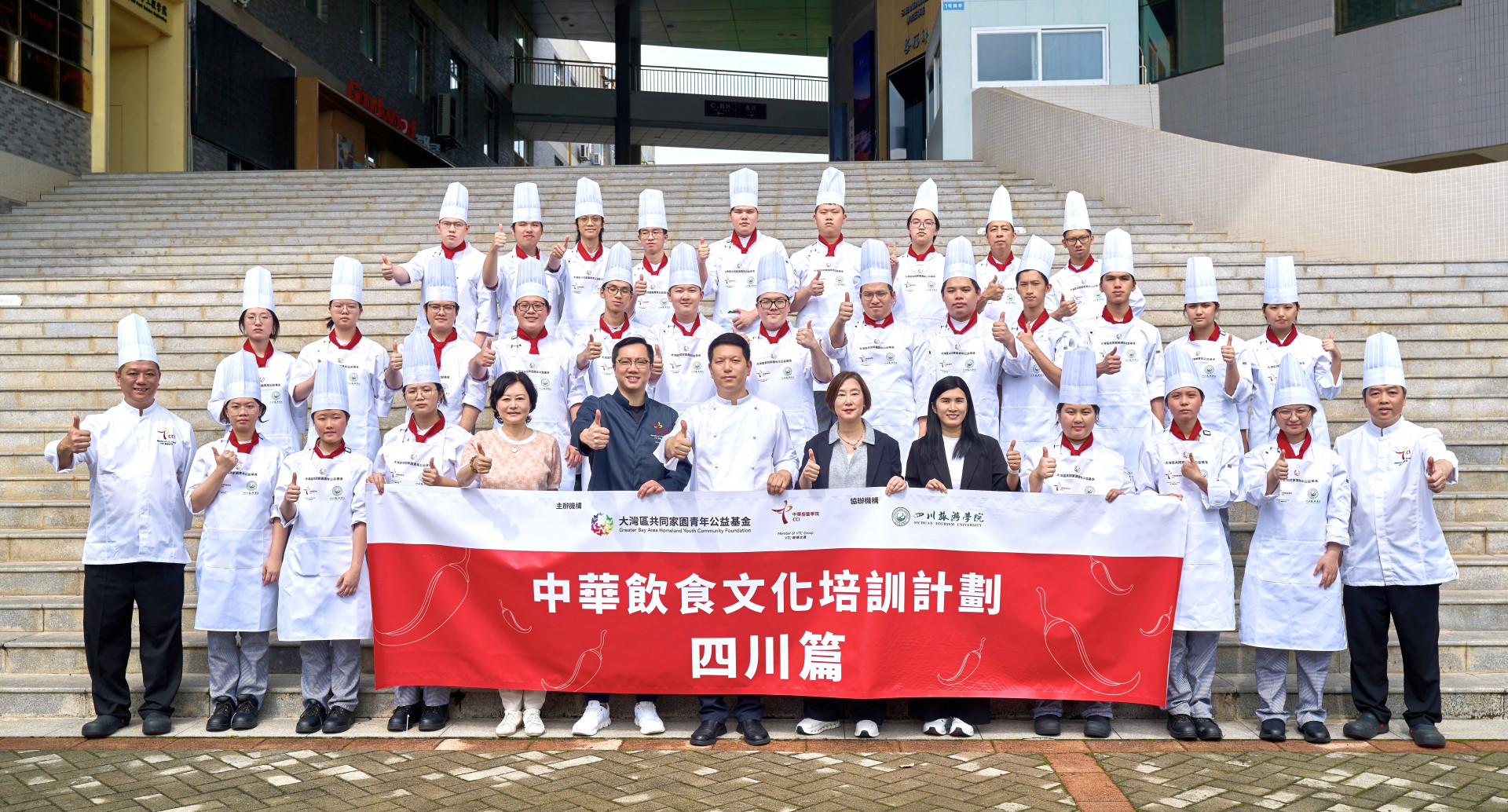
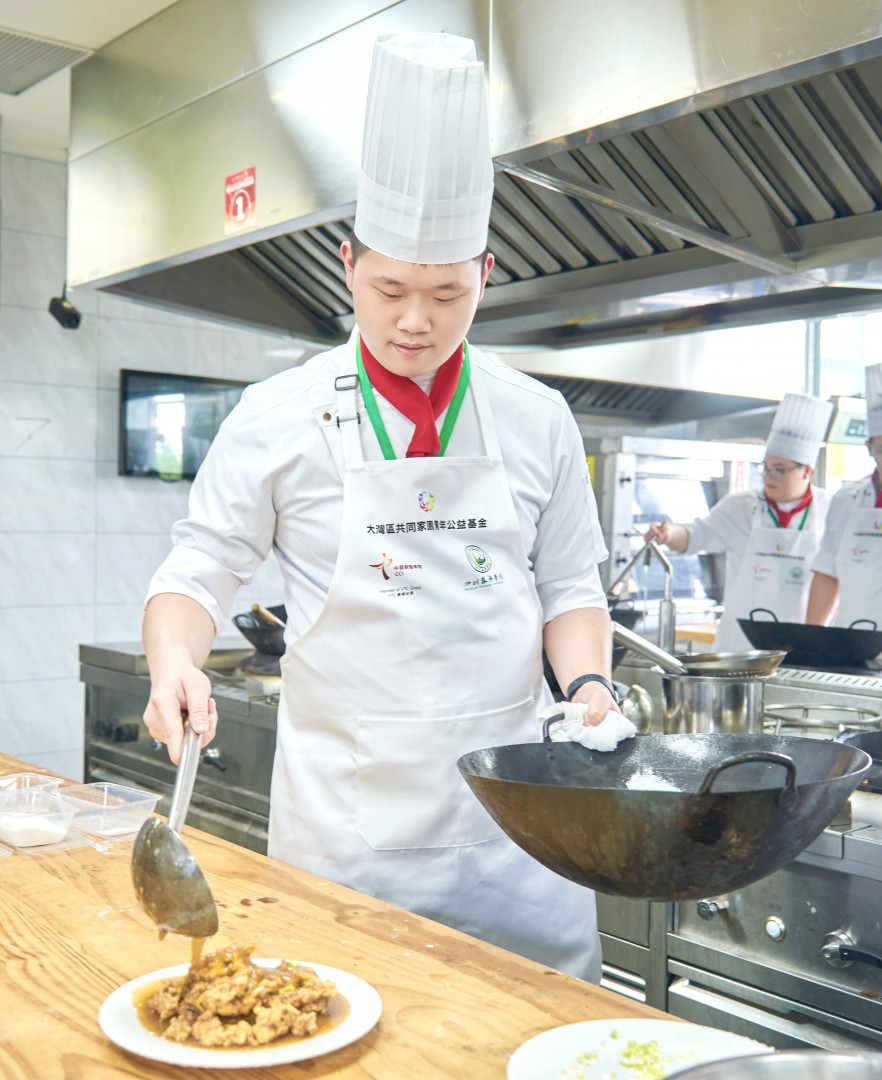
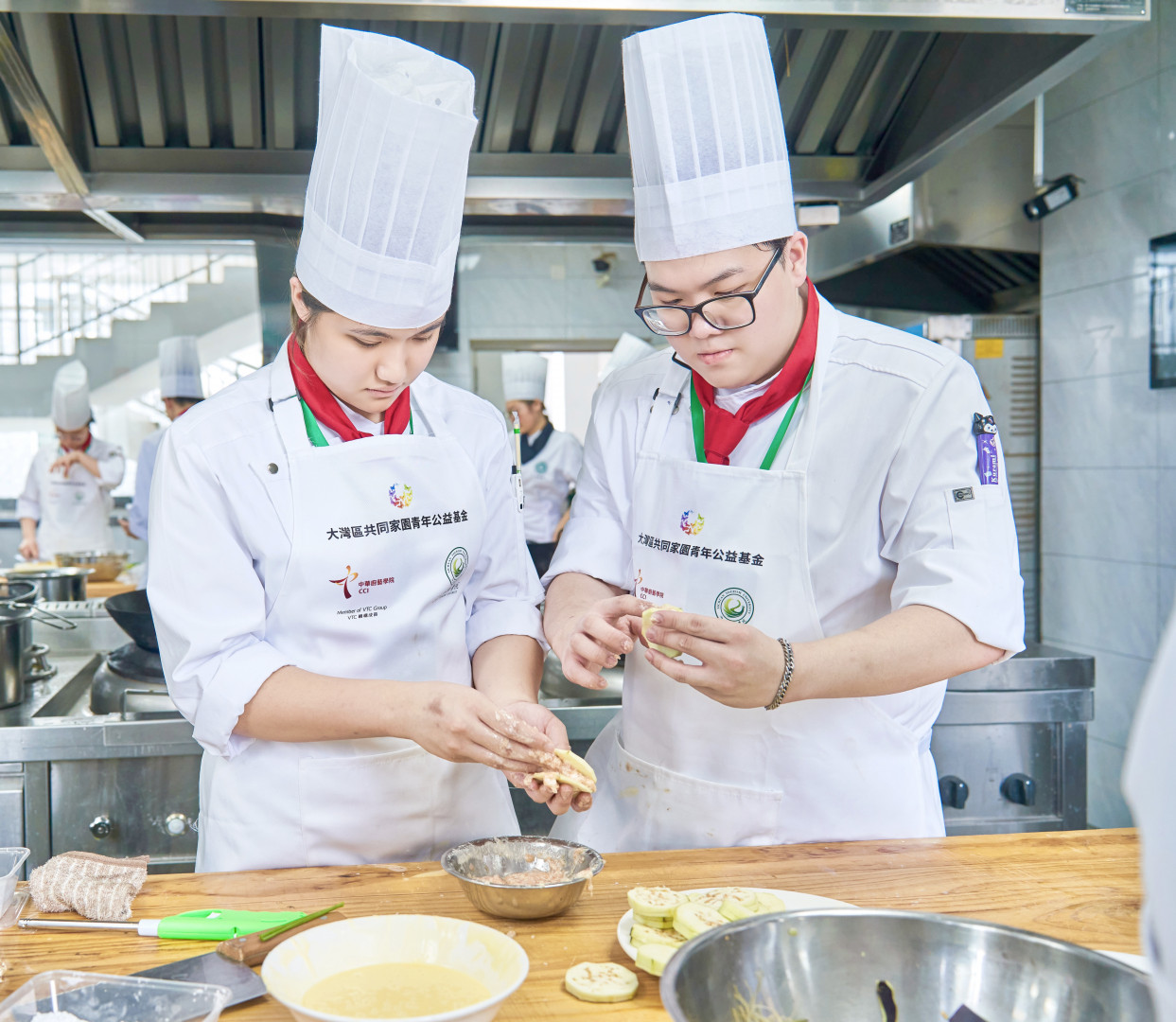
As one of China’s four great culinary traditions, Sichuan cuisine is famed for the philosophy ‘one dish, one style; a hundred dishes, a hundred flavours’. Characterised by its numbing, spicy, fresh and aromatic qualities, it encompasses 24 classic flavour profiles, with its signature spicy–numbing sensation the most distinctive. To help preserve fine Chinese culinary culture and deepen exchange between Hong Kong and the Chinese Mainland, the Greater Bay Area Homeland Youth Community Foundation (the Foundation) and the Chinese Culinary Institute (CCI) have jointly organised the ‘Chinese Culinary Culture Training Programme’ for the third consecutive year. Following successful editions focused on Shunde and Chaoshan, this year’s programme took 30 CCI students and teachers to Chengdu from 1 to 8 August, immersing them in the essence of authentic Sichuan cookery.
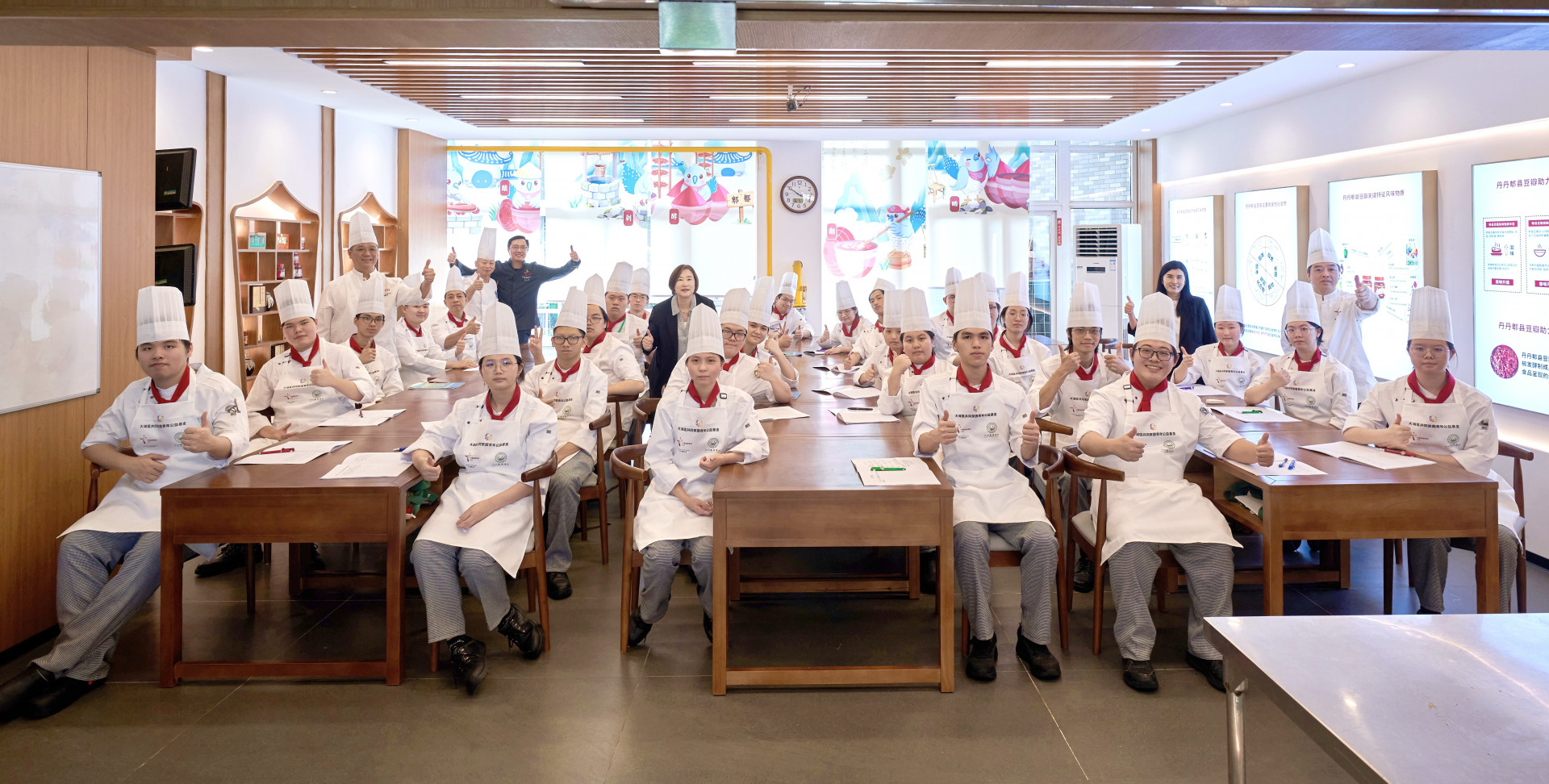
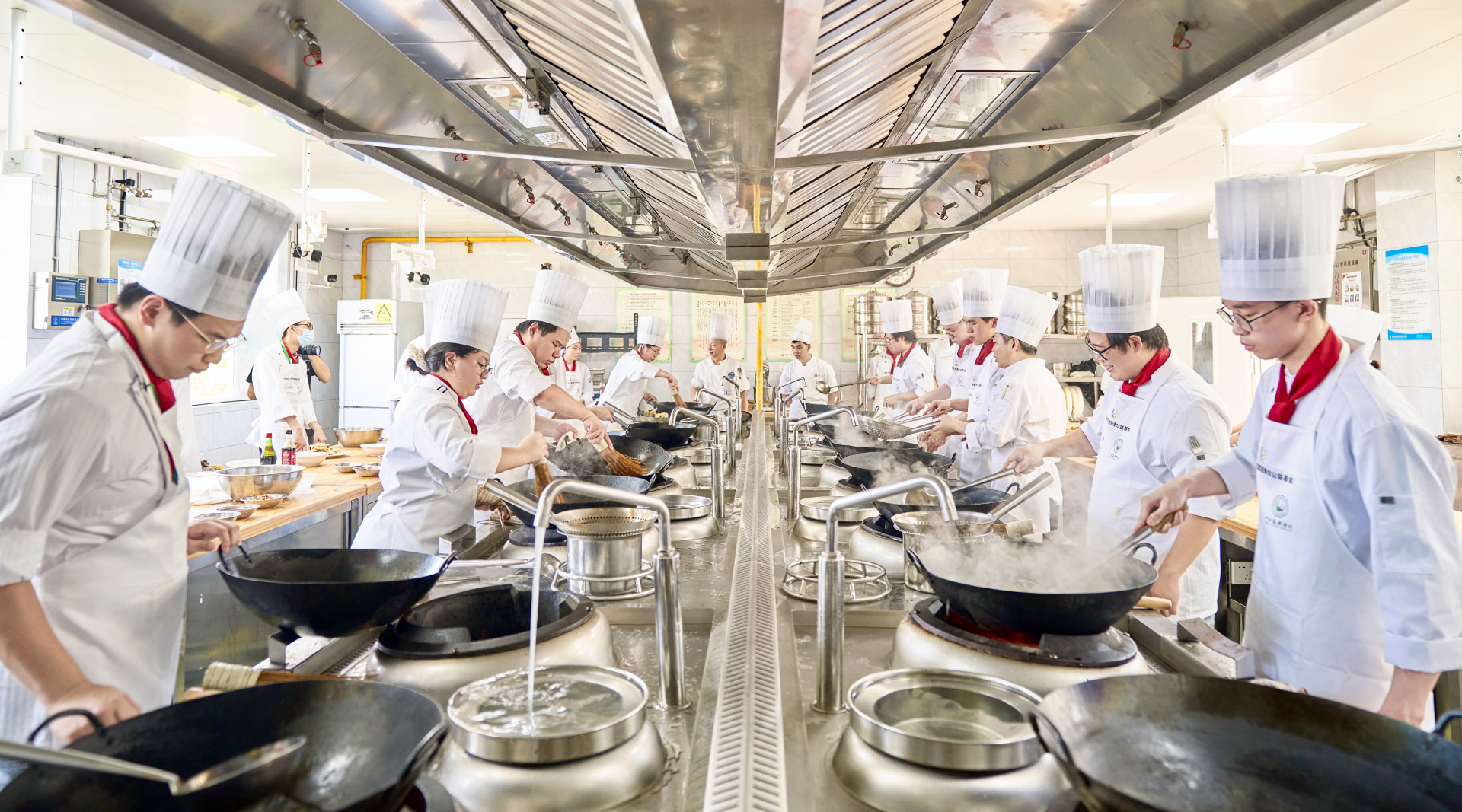
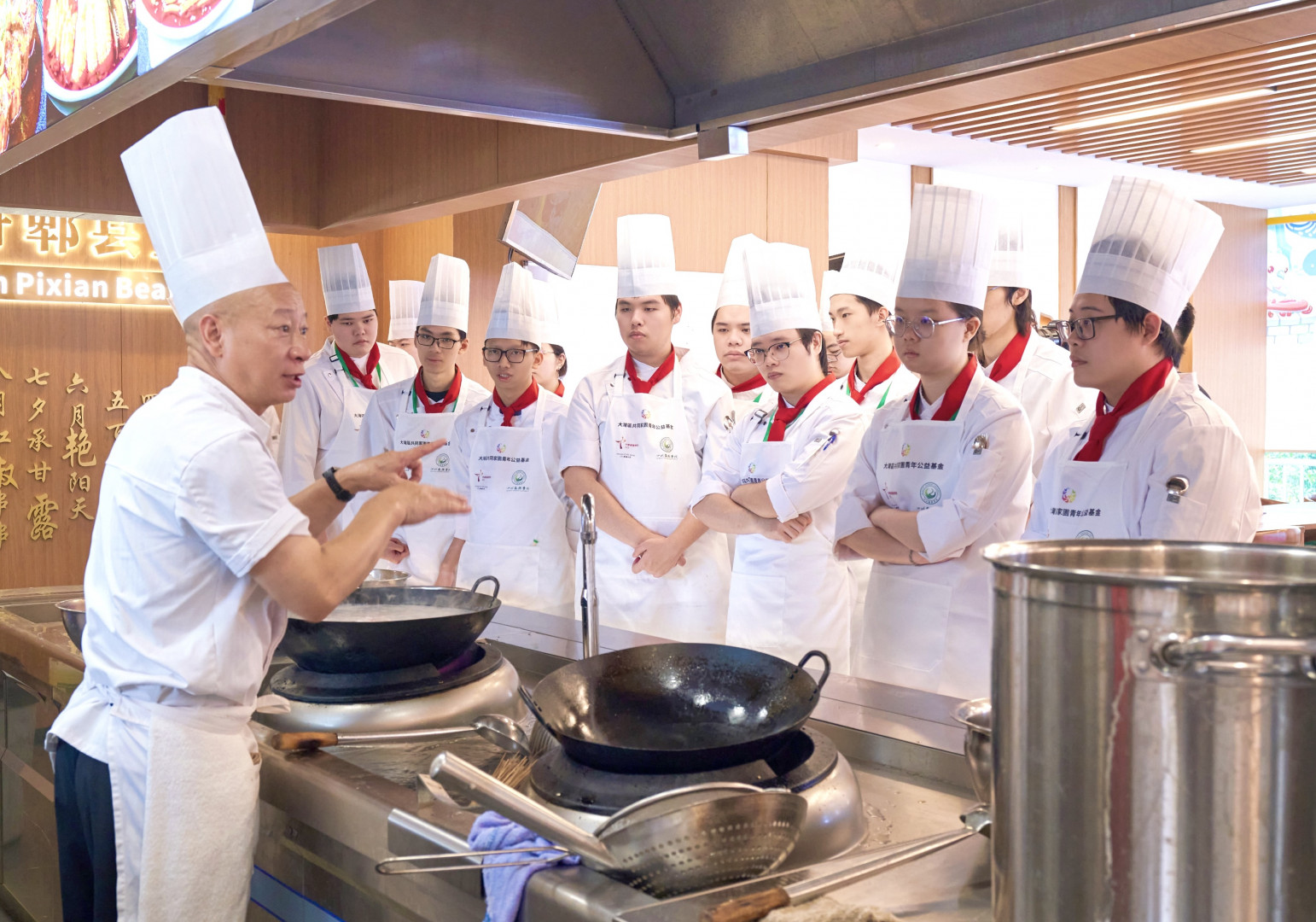
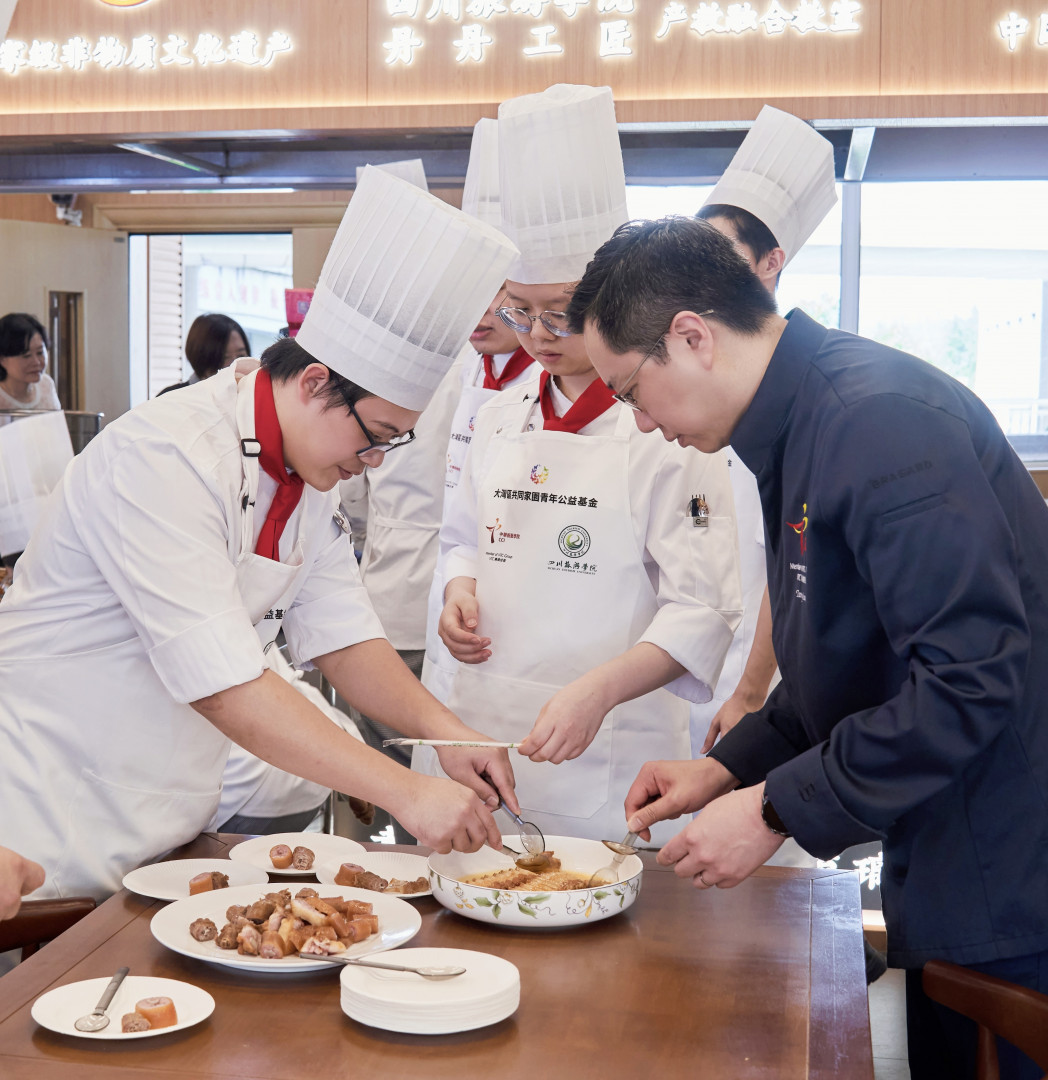
The programme received strong support from Sichuan Tourism University, a state-run institution renowned for its expertise in culinary arts. The university is home to the Culinary and Food Experimental Management Centre—often dubbed the ‘Number One Kitchen’—and has co-established 12 ‘Chinese Sichuan Culinary Academy’ centres across 11 countries. During the training period, senior instructors from the university personally demonstrated and taught the techniques of multiple classic dishes, passing on the authentic craft of Sichuan cuisine to the Hong Kong delegation.
Inheriting Sichuan master skills: how geography and history shape the palate
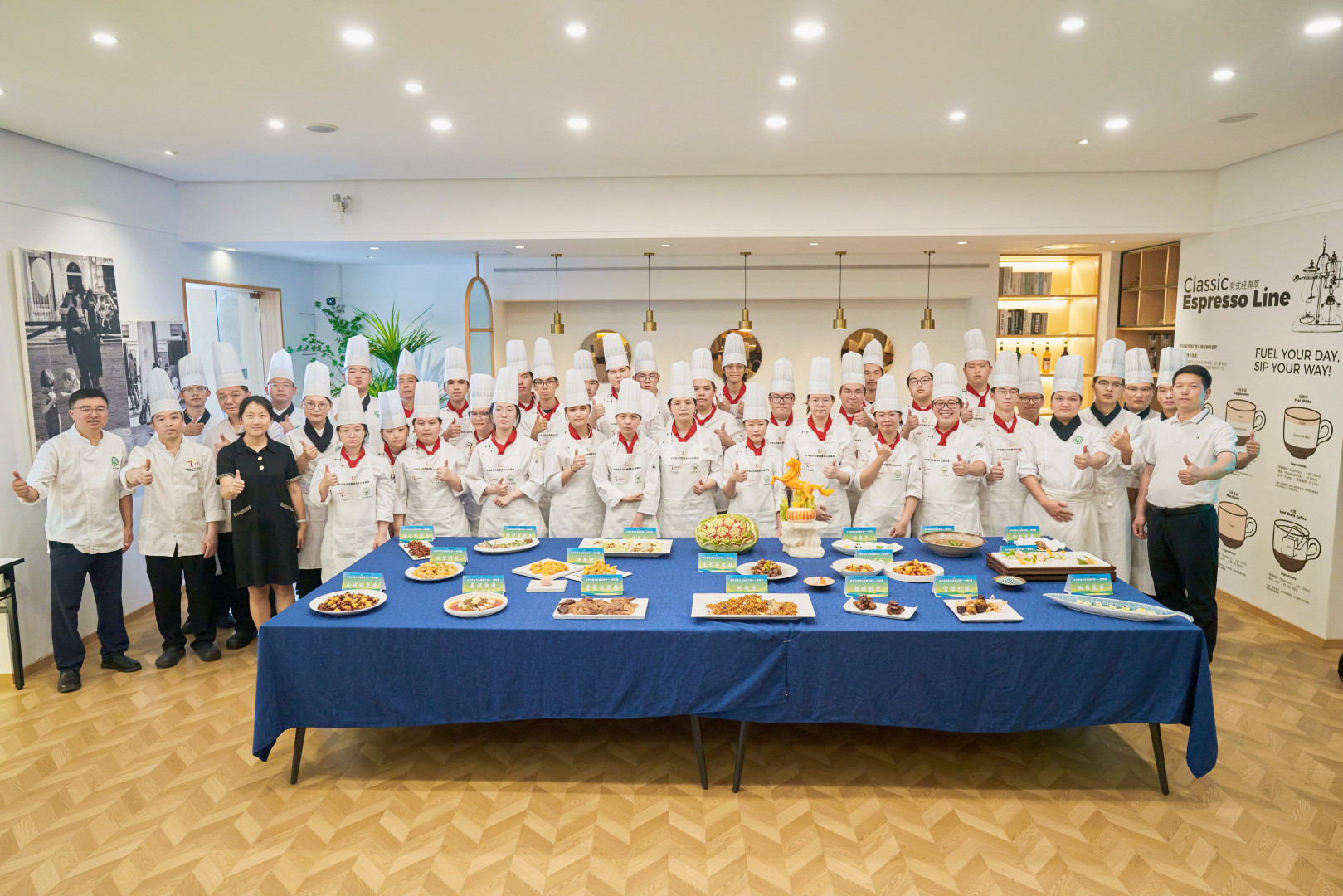
Across the intensive eight-day schedule, students systematically learned the essentials of numerous celebrated dishes and traditional snacks, including the Sichuan Guanghan intangible cultural heritage handmade noodle dish ‘Golden Silk Noodles’; the high-end classic ‘Steamed Chinese Cabbage in Supreme Soup’, renowned for a broth as clear as water yet richly flavoured; as well as dry-braised fish, sizzling crispy rice with sliced pork, spicy eggplant with minced pork, chicken tofu pudding, and Sichuan spicy braised dishes. They also studied traditional snacks and desserts such as Zhong dumplings, dandan noodles, wontons in red chilli oil, egg-baked cake, pan-fried beef buns and chilled glutinous rice cake, alongside beloved household dishes including twice-cooked pork, mapo tofu, kung pao chicken, beef with dried orange peel, and sweet and sour pork. Throughout the programme, the Hong Kong students engaged in friendly exchanges with local students, sharing insights and experiences in culinary arts.
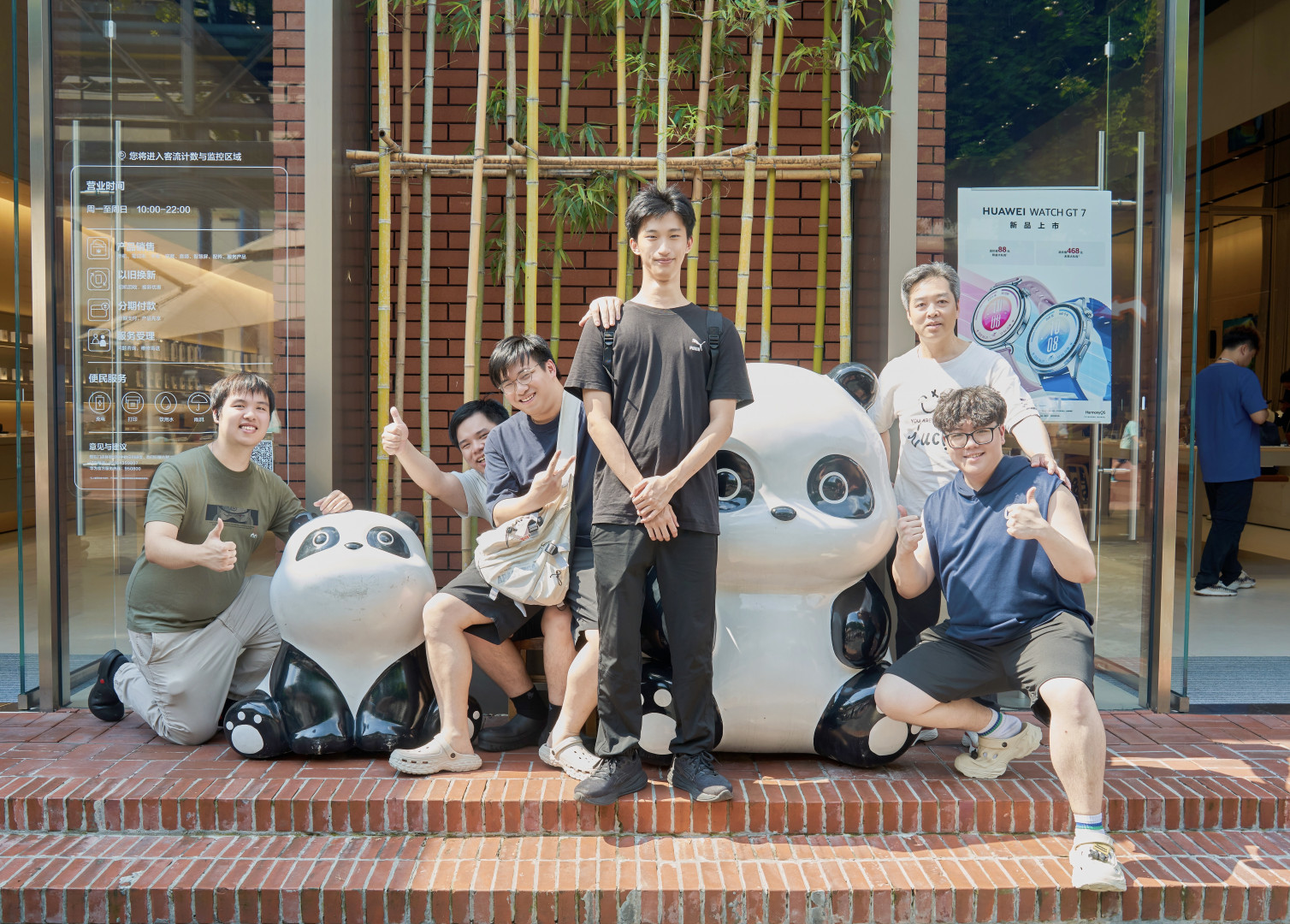
Beyond practical training, the itinerary featured rich cultural activities. The team visited ‘ChiXiang · Classic Sichuan Cuisine’, an officially recognised intangible cultural heritage experience centre founded by Master Xu Xiaohong, a national-level intangible cultural heritage inheritor and Chinese culinary master. Through an exhibition blending virtual and real elements, participants learned about the history of academic-style Sichuan cuisine and sampled an ‘Authentic Sichuan Intangible Cultural Heritage Banquet’ to experience first-hand the ‘seven tastes and eight flavours’. The group also toured Luodai Ancient Town—the first Hakka town in Western China—Chengdu’s Kuanzhai Alley Historic and Cultural District, the century-old Chunxi Road, and the Chengdu Research Base of Giant Panda Breeding. In addition, they explored ‘Eastern Suburb Memory’, a music and creative industrial park transformed from a former industrial heritage site, to gain a deeper appreciation of Sichuan’s local customs, history and culture.
Encouragement from organisers: nurturing youth innovation
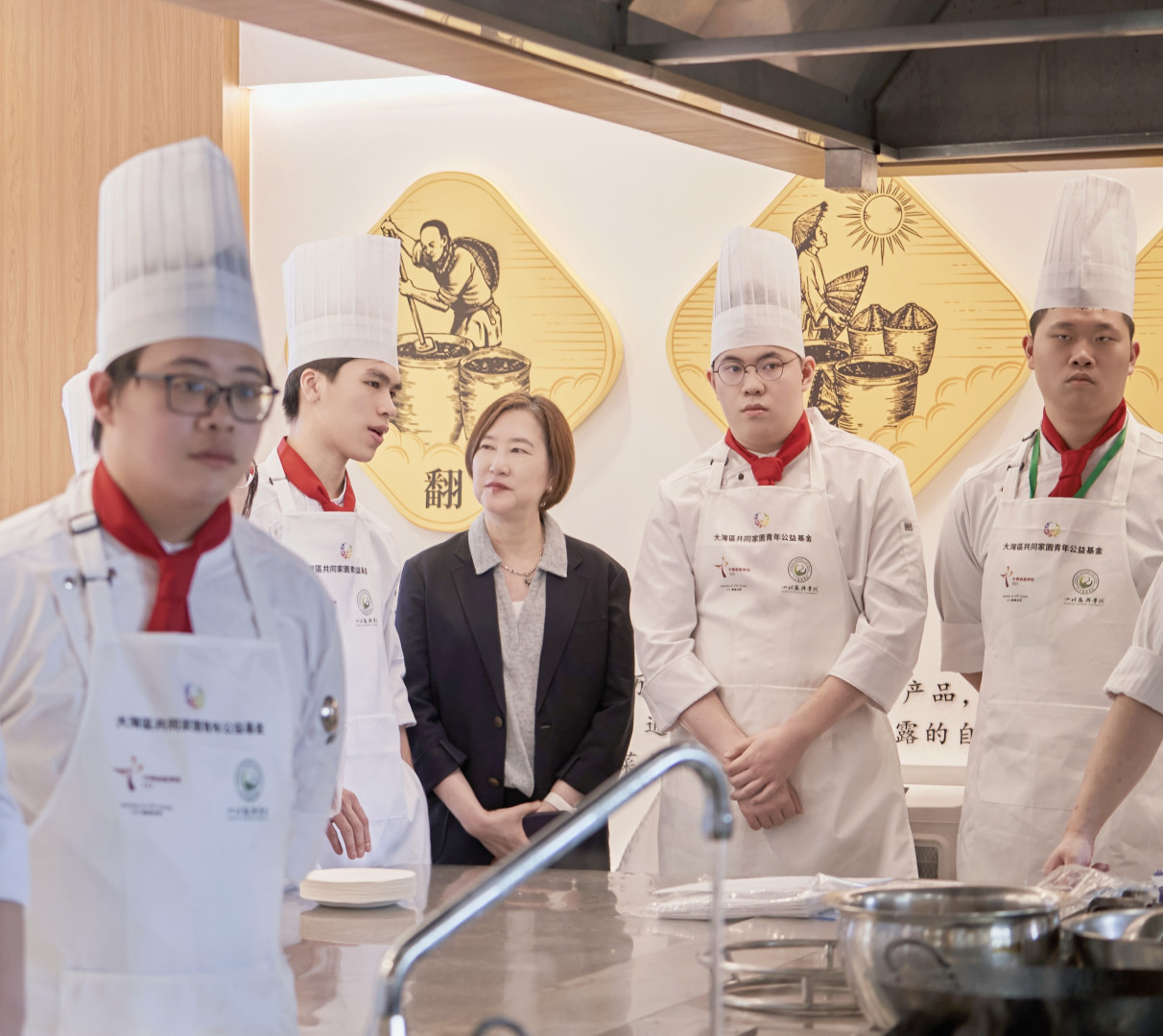
During the training, Ms KUNG Ming-ming, Dionne, Deputy CEO of the Foundation, and Mr LAU Chi-kin, Terry, Programme Manager of CCI, visited Chengdu to understand students’ progress first-hand. Ms Dionne KUNG said: ‘The ‘Chinese Culinary Culture Training Programme’ has been consistently recognised by industry experts, teachers and students alike. Chinese food culture has a long and profound history. This initiative strengthens young people’s connection to our national heritage, fulfilling the core educational mission of ‘connecting hearts through art and passing the torch’. Hong Kong is a world-renowned culinary hub. The GBA Youth Foundation aims to harness this strength to cultivate young culinary talent and tell Hong Kong’s story through the soft power of food culture.’
Mr YAP Han-phong, James, Principal of the Chinese Culinary Institute of the VTC, shared, ‘Sichuan cuisine is endlessly versatile, embodying ‘a hundred dishes, a hundred flavours’. Chefs must deftly balance classic aromatics—the ‘Three Fragrances’ (scallion, ginger and garlic) and the ‘Three Peppers’ (Sichuan peppercorn, pepper and chilli)—while demonstrating precise knife work and heat control. Through this programme, students had the rare opportunity to witness master craftsmanship first-hand and grasp the essence of authentic Sichuan cookery. I look forward to seeing our students integrate these skills and grow into well-rounded chefs grounded in culinary ethics, technique and kitchen management, preserving Chinese culinary heritage while embracing innovation to contribute to the sustainable development of Hong Kong’s catering industry.’
Mr RAN Wei, Dean of the School of Culinary Professional Education at Sichuan Tourism University, said: ‘Sichuan cuisine is vast and profound, famous for its ‘seven tastes and eight flavours’. The ‘seven tastes’—sweet, sour, numbing, spicy, bitter, aromatic and salty—combine into eight complex profiles: fish-fragrant, sour-and-spicy, pepper–numbing, strange flavour spicy–numbing, red oil, dry-braised and dry-stir-fried. We were delighted to showcase these iconic techniques to the Hong Kong students. Their enthusiasm and commitment brought great vitality to this cross-regional exchange. We look forward to closer cooperation in the future as we jointly shoulder the mission of preserving and innovating Sichuan cuisine, elevating the international influence of Chinese culinary culture.’
Year 2 students from the Chinese Culinary Institute’s Diploma in Chinese Cuisine (QF Level 3) —WAI Sai-ho, HO Chi-ching, Vivian, and WAN Kai-hin—unanimously agreed that the training trip was an eye-opening and deeply rewarding experience. Reflecting on the journey, WAI Sai-ho shared, ‘This was my first time visiting Sichuan. The classes opened my eyes to the fact that Sichuan cuisine is far more than just straightforward spiciness—it actually encompasses 24 distinct flavour profiles and combinations. We learned to cook a variety of classic dishes during the programme. Among them, “Chicken Tofu Pudding”, a dish served at state banquets, stands out as a masterclass in knife work. The process is intricate, requiring the chicken to be finely minced until its original appearance is entirely transformed, ―a skill that demands exceptional mastery.’
For HO Chi-ching, Vivian, the most memorable highlight was the ‘Golden Silk Noodles’. She remarked, ‘Making “Golden Silk Noodles” is entirely artisanal. It requires using your own body weight to press and roll the dough repeatedly, before slicing it into ultra-fine strands using a specialised large knife. The whole process demands immense concentration and physical endurance. Seeing the instructor’s exceptional knife skills was inspiring, and I hope to reach the same level through continued practice.’
Meanwhile, WAN Kai-hin found ‘Mapo Tofu’ the most challenging dish to master. WAN noted, ‘When cooking this classic Sichuan dish, seasoning is the ultimate test of skill. As southern palates differ from Sichuan's—people from the south generally prefer lighter flavours—it was quite difficult at first to grasp Sichuan’s robust seasoning. After this trip, however, I feel my seasoning skills have vastly improved. I will incorporate what I have learned into new dishes to offer Hong Kong diners more authentic Sichuan flavours.’
The Foundation will continue to enhance the culinary skills of Hong Kong youth through the ‘Chinese Culinary Culture Training Programme’, deepening their sense of identity and pride in China’s outstanding food culture, and promoting the inheritance, preservation and innovative development of traditional culinary arts.